






 TR
TR
 Shop
Shop
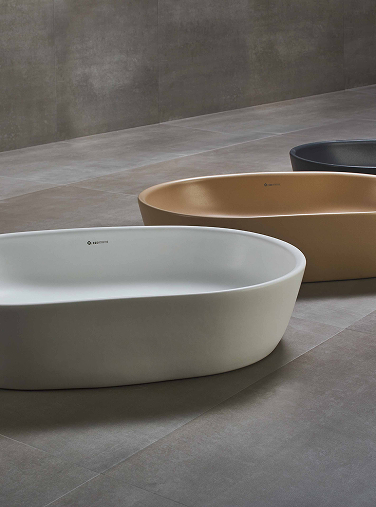
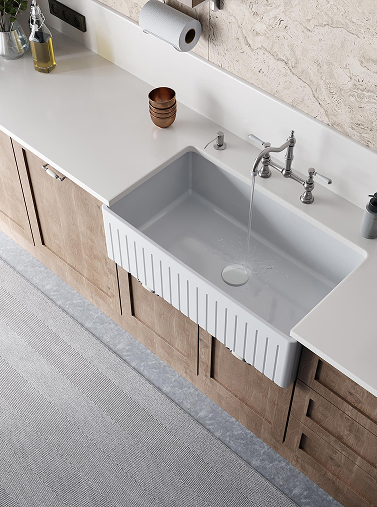
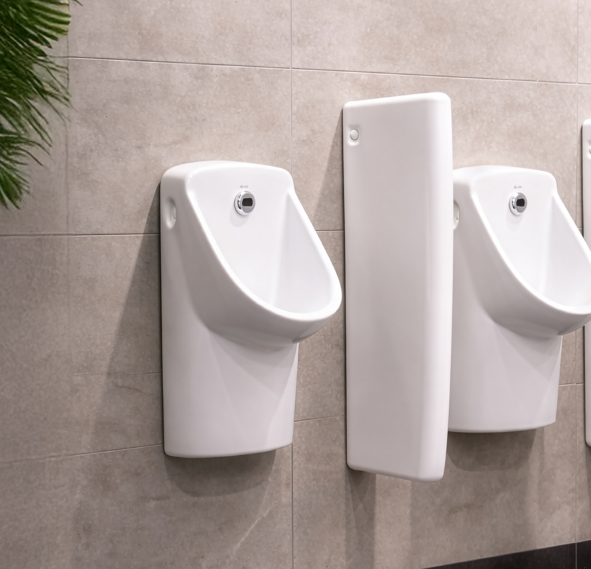
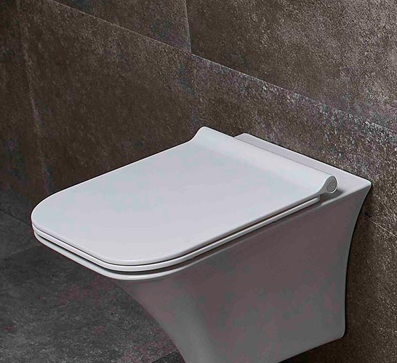
In bathroom renovation processes, one of the most important decisions is selecting the right vitreous products. Sinks, toilets, cisterns, and other ceramic sanitary ware are not only aesthetic elements; they are technical products used daily and constantly exposed to water and moisture for many years.
An incorrectly selected product may lead to surface dulling, limescale buildup, cracking, installation incompatibility, and hygiene problems over time. For this reason, choosing high-quality ceramic sanitary ware is critical both for comfort and long-term cost efficiency.
So, how can high-quality vitreous products be identified? Here are 5 key criteria to consider.
Surface Quality and Glazing Technology
The most important factor determining quality in ceramic sanitary ware is the surface structure. When choosing a sink or toilet, the first thing to check is surface uniformity and gloss level.
In a high-quality vitreous product:
- The glaze coating is evenly distributed.
- Light reflection is homogeneous.
- The micro-porosity level is low.
- The surface maintains its shine for a long time.
In low-quality products, limescale buildup and dulling appear much faster over time. This leads to increased chemical usage and surface wear during cleaning.
EGE approaches surface performance as a critical quality parameter in ceramic sanitary ware production. Multi-stage quality control tests applied during production ensure glaze thickness, surface uniformity, and gloss standards are continuously monitored. This systematic approach aims to ensure long-lasting aesthetic and hygiene performance, especially in frequently used sinks and toilets.
Material Density and Durability
The technical definition of vitreous ware refers to ceramic products fired at high temperatures for durability. However, not all ceramics offer the same level of strength.
High-quality ceramic sanitary ware:
- Is produced using high-density raw materials.
- Undergoes controlled firing processes.
- Has optimized internal stress balance.
- Is more resistant to impacts.
Especially when selecting a toilet, structural durability is one of the most important criteria.
EGE optimizes product density and mechanical strength by applying raw material standardization and controlled firing parameters during production. This disciplined manufacturing approach ensures products maintain their form for many years without deformation. Durability is a core quality standard for both individual users and large-scale projects.
Dimensional Accuracy and Technical Compatibility
Technical compatibility is often overlooked in vitreous product selection. However, reservoir connections, waste outlets, and mounting surfaces must comply with standards to ensure proper installation.
In high-quality products:
- Dimensional tolerances are minimized.
- Connection points follow standard measurements.
- No compatibility issues occur during installation.
Even millimeter-level deviations can extend installation time and increase additional costs.
EGE systematically monitors dimensional accuracy from mold production to final product inspection. Thanks to technical measurement and control steps applied during production, products are ensured to be compatible for both individual installations and large-scale projects. This approach provides a significant advantage, especially in mass housing and commercial projects.
Hygiene-Oriented Design and Water Flow
In modern bathrooms, hygiene is not only dependent on cleaning habits; product design is also a determining factor. In toilet and sink design, internal geometry and water flow direction directly affect cleaning performance.
In high-quality design:
- Water flow is directed in a balanced way.
- Sharp internal corners that hinder cleaning are minimized.
- Surface accessibility is improved.
These details provide hygiene advantages both in daily use and in high-traffic environments.
In EGE’s product development process, design and engineering teams work together to produce both aesthetic and functional solutions. Water flow performance, internal surface geometry, and usability ergonomics are evaluated during the design phase. This integrated approach aims to improve hygiene performance and increase long-term user satisfaction.
Long-Lasting and Timeless Design Approach
Bathroom renovation is not a short-term decision. Therefore, selections should be made not based only on trends but with long-term usage in mind.
Timeless vitreous products:
- Adapt to different interior styles.
- Maintain aesthetic value over time.
- Delay the need for renovation.
True quality is the combination of technical durability and design continuity.
EGE approaches functional design in ceramic sanitary ware with a long-term usage perspective. Both current design expectations and long-lasting usability criteria are considered during product development. This approach aims to provide solutions that meet not only today’s needs but also the future requirements of bathroom spaces.
Quality Starts with the Manufacturing Approach
In ceramic sanitary ware, quality is shaped not only by surface gloss but also by production technology, material standards, dimensional accuracy, and design philosophy.
When choosing a sink, toilet, or cistern, evaluating these criteria ensures long-lasting, hygienic, and reliable use.
EGE aims to develop durable, technically reliable, and aesthetically sustainable bathroom solutions by adopting a systematic manufacturing approach in ceramic sanitary ware production.